






Dry cow minerals: start with the silage

Cathal Bohane
Head of InTouch Nutrition
Mineral nutrition should be central to the winter-feeding plan. The aim is that cows should calve without metabolic problems, maintain good intakes, and start lactation strongly. That requires understanding the forage, matching supplementation to requirements, and ensuring every cow receives her allocation, rather than simply choosing a mineral bag.
Start with a representative mineral analysis of the dry cow silage. Standard feed analysis describes energy, protein, and preservation, but separate mineral testing identifies deficiencies and imbalances. Content varies between farms, fields, and cuts while bought-in forage adds uncertainty. Test this winter’s feed rather than relying on last year’s results.
Potassium and magnesium deserve particular attention. High potassium reduces magnesium absorption, while magnesium supports calcium regulation around calving. A previously successful programme may, therefore, disappoint when forage changes. Where potassium is high (>1.8 per cent), review the complete diet with your nutritionist. Lower-potassium forage, dilution, and adjusted magnesium supply may be needed. Chloride- or sulphur-based anionic products require a professionally balanced, monitored programme.
Copper, zinc, and selenium support normal immune function, with mineral status also relevant to reproduction and calf development. Irish grass silage does not supply enough of these based on almost 1,000 samples taken by Alltech. Antagonists matter – molybdenum and sulphur reduce copper availability. Avoid increasing supplementation without understanding the sources as background supply risks excess intake or breaching legal limits. Minerals should be more than chasing the highest number on the bag.
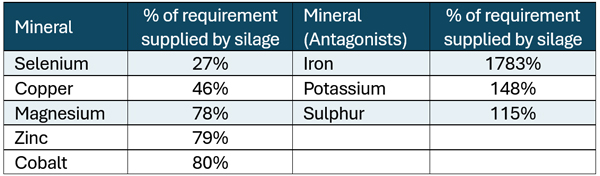
Compare products on more than price per tonne. Check daily feeding rates, mineral quantities, and mineral sources. Organic sources, including Bioplex copper and zinc and Sel-Plex selenium, should form part of a targeted programme addressing trace mineral deficiencies and antagonists.
Delivery is easily overlooked. Check the bag feeding rate, weigh each group’s allocation and adjust for changing cow numbers. When dusting minerals on silage, split the allowance between feeds and provide sufficient barrier space. Begin supplementation at least six weeks before calving and ideally at drying off and not just before calving.
Minerals cannot compensate for excessive body condition, poor intake or overcrowding. Review milk fever and retained-cleaning records with your vet and/or nutritionist alongside forage results and feeding practice. Test, balance, and deliver consistently; these form the foundation of an effective dry cow mineral programme.

